Charting Talent Migration Patterns Between Land-Based Venues and Digital Gaming Platforms in Competitive Card Play
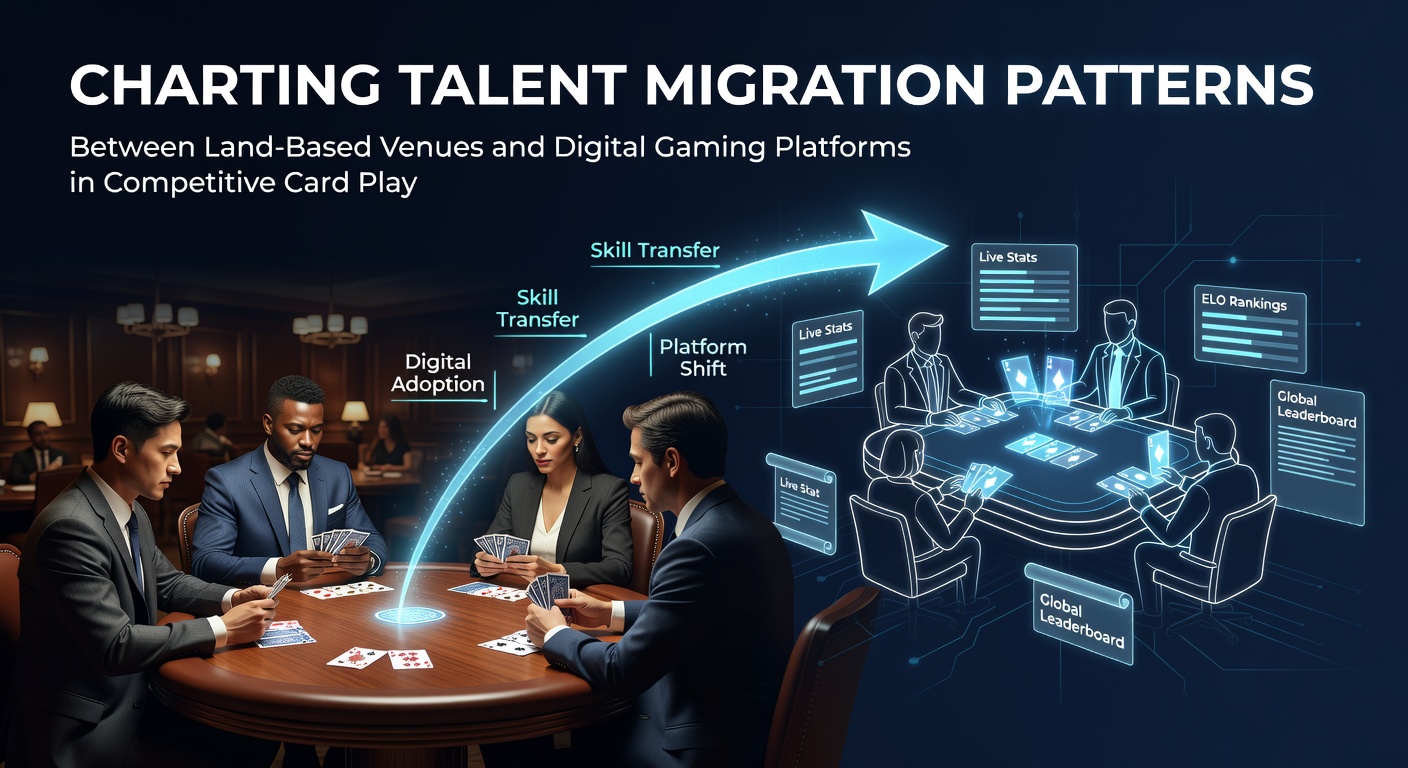
Competitive card play has long featured movement between physical casinos and digital platforms, yet recent years show accelerated shifts in how skilled participants allocate their time and resources across both settings. Observers note that these patterns emerge from differences in tournament structures, regulatory environments, and technological access rather than any single preference for one format over another.
Historical Context of Player Movement
Land-based venues dominated competitive card scenes through the late twentieth century, drawing participants to established events in locations such as Las Vegas and Atlantic City. Digital platforms gained traction after regulatory changes in the early 2000s opened markets in several jurisdictions, allowing operators to offer real-money games to broader audiences. Researchers at the University of Nevada, Las Vegas documented early crossover activity where players tested strategies online before applying them in physical tournaments, creating bidirectional flows that continue today.
By the 2010s, mobile technology further altered participation rates. Figures from industry reports indicate that participants began dividing schedules between weekend casino visits and daily online sessions, a pattern that persisted through subsequent regulatory adjustments in multiple regions.
Key Drivers Behind Migration Trends
Several measurable factors influence where competitive players concentrate their activity. Travel costs, schedule flexibility, and prize pool sizes vary between formats, prompting individuals to adjust their primary focus accordingly. Data compiled by the Australian Communications and Media Authority reveals that participants in regulated markets often maintain accounts on digital platforms while attending select land-based series, particularly when events align with travel plans.
Regulatory differences also play a role. Jurisdictions with strict online licensing requirements tend to see higher retention on licensed platforms, whereas areas with limited digital options push activity toward physical sites. Observers have tracked these adjustments through participation logs and entry statistics released by major tournament organizers.
Quantifiable Patterns Observed in Recent Data
Analysis of entry records from major circuits shows that a portion of established players now split time evenly across both environments. In May 2026, preliminary figures from ongoing series indicated that roughly 35 percent of repeat participants in high-stakes events maintained active digital accounts alongside their land-based schedules. This distribution appears consistent across North American and European circuits, though regional variations exist based on local regulations.
Those who study player behavior note that digital platforms attract higher volumes of practice volume because sessions require less logistical planning. Land-based venues, by contrast, continue to host the largest single-event prize pools, drawing the same individuals for marquee tournaments. The result is a layered pattern where participants use online play to refine skills and physical events to compete for headline results.
Platform Adaptations to Shifting Participation
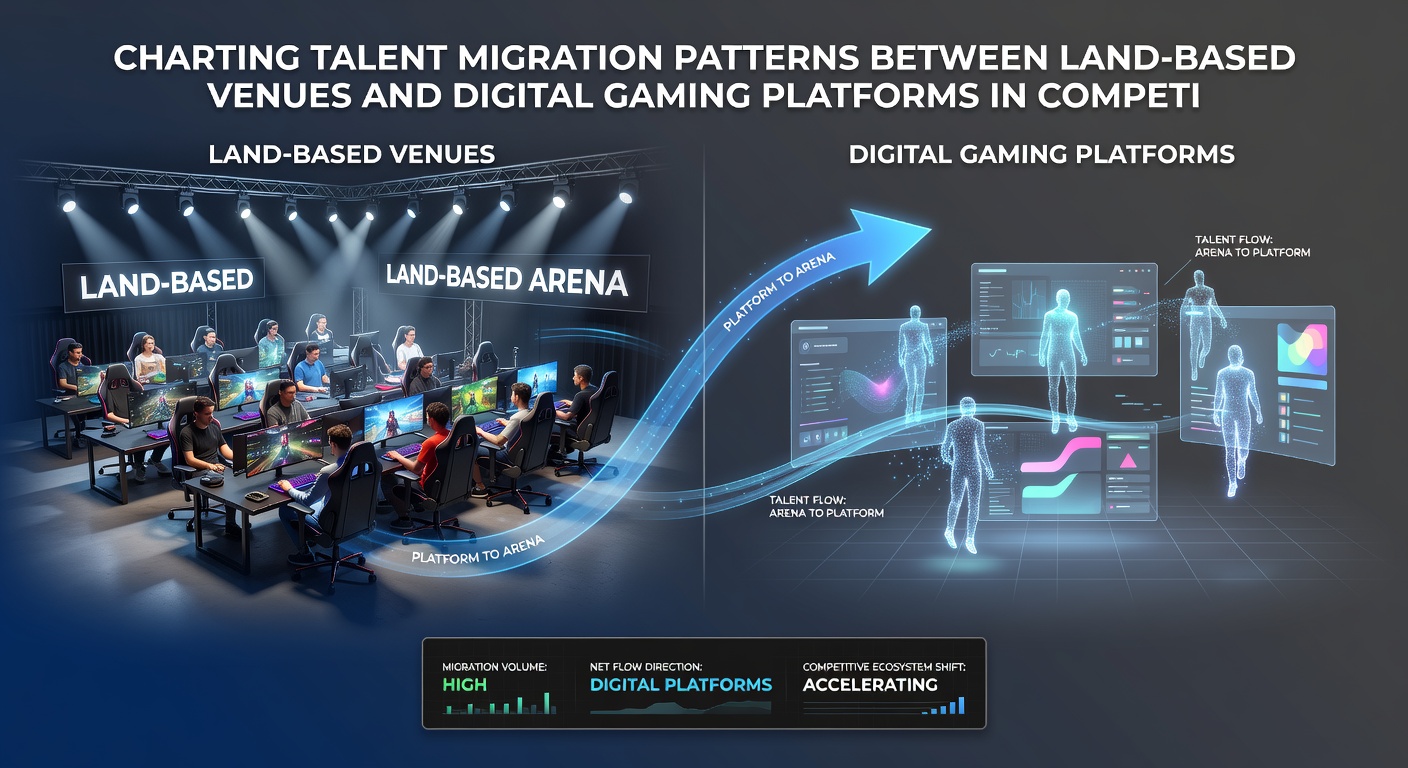
Operators on both sides have responded with structural changes. Digital platforms introduced features such as synchronized tournament schedules that mirror land-based calendars, allowing participants to maintain continuity across formats. Land-based venues, meanwhile, expanded satellite qualifiers that feed directly into online leaderboards, creating pathways that encourage crossover entries.
These adaptations appear in published tournament calendars and software updates released throughout 2025 and into 2026. Trade associations tracking industry metrics report that hybrid qualifiers increased overall entry numbers without displacing traditional formats.
Regional Variations in Migration Flows
Geographic differences shape how these patterns manifest. European markets with mature online licensing frameworks show steadier digital participation rates, while certain North American states continue to emphasize land-based infrastructure. Canadian provincial data, for instance, highlights gradual increases in cross-border digital engagement among players who also attend U.S. casino events.
Asia-Pacific regions present additional contrasts. Markets with restricted online access maintain stronger land-based attendance, whereas jurisdictions that recently liberalized digital gaming report rising numbers of participants who alternate between formats based on event timing and regulatory updates.
Conclusion
Patterns of talent movement between land-based venues and digital platforms reflect ongoing adjustments to costs, regulations, and technological options. Available data through May 2026 shows sustained participation across both environments rather than wholesale replacement of one by the other. Continued monitoring by regulatory bodies and academic researchers will clarify whether these flows stabilize or evolve further in response to future policy changes.