16 Aug 2026
Tracing the Evolution of User Interface Elements adn Their Relation to Decision Speed in Global Virtual Poker Tournaments

Virtual poker tournaments began with rudimentary text-based systems in the mid-1990s, where players entered commands through command-line interfaces that displayed card information in plain ASCII characters, and these setups required manual typing for actions such as folding or raising which extended average decision intervals beyond standard live table paces. Researchers documented how the absence of visual timers and graphical prompts contributed to longer response windows during early global events hosted on platforms that connected participants across multiple continents.
Shift to Graphical Interfaces and Timed Decisions
By the early 2000s, developers introduced point-and-click graphical elements including card animations and table layouts rendered in two dimensions, while integrated countdown clocks appeared to standardize action periods at 30 seconds per decision in many multi-table formats. Data from industry reports indicates that these additions reduced average decision latency by measurable margins in tournaments drawing entrants from North America and Europe simultaneously. Observers note that color-coded bet sliders and highlighted pot amounts allowed quicker information processing without altering the underlying rules of Texas Hold'em variants.
Mobile Adaptations and Global Participation Patterns
Smartphone integration accelerated after 2010 when touch-optimized interfaces incorporated swipe gestures for chip placement and expandable hand history panels that maintained decision speed consistency across device orientations. In August 2026, records from worldwide platforms showed continued growth in mobile entries during series spanning multiple time zones, with features like auto-adjusting screen brightness and vibration alerts for turn notifications helping sustain pace in extended sessions. Figures from regulatory bodies in Australia reveal correlations between these interface refinements and participation rates in events that accommodate players from Asia-Pacific regions alongside those in the Americas.
Heads-Up Displays and Data Layering Effects
Heads-up display overlays emerged as standard tools in professional circuits by the 2010s, presenting real-time statistics on opponent tendencies through compact numerical panels positioned at screen edges, and studies conducted at academic institutions in Canada have tracked how such elements influence the time required to select actions during high-stakes elimination phases. These overlays operate alongside core tournament timers without extending or shortening allotted periods, yet they enable faster pattern recognition that participants apply to range narrowing processes. One analysis of multi-table events demonstrated that players using customized HUD configurations completed decisions within the same regulatory windows as those relying on default views, although the volume of processed data differed.
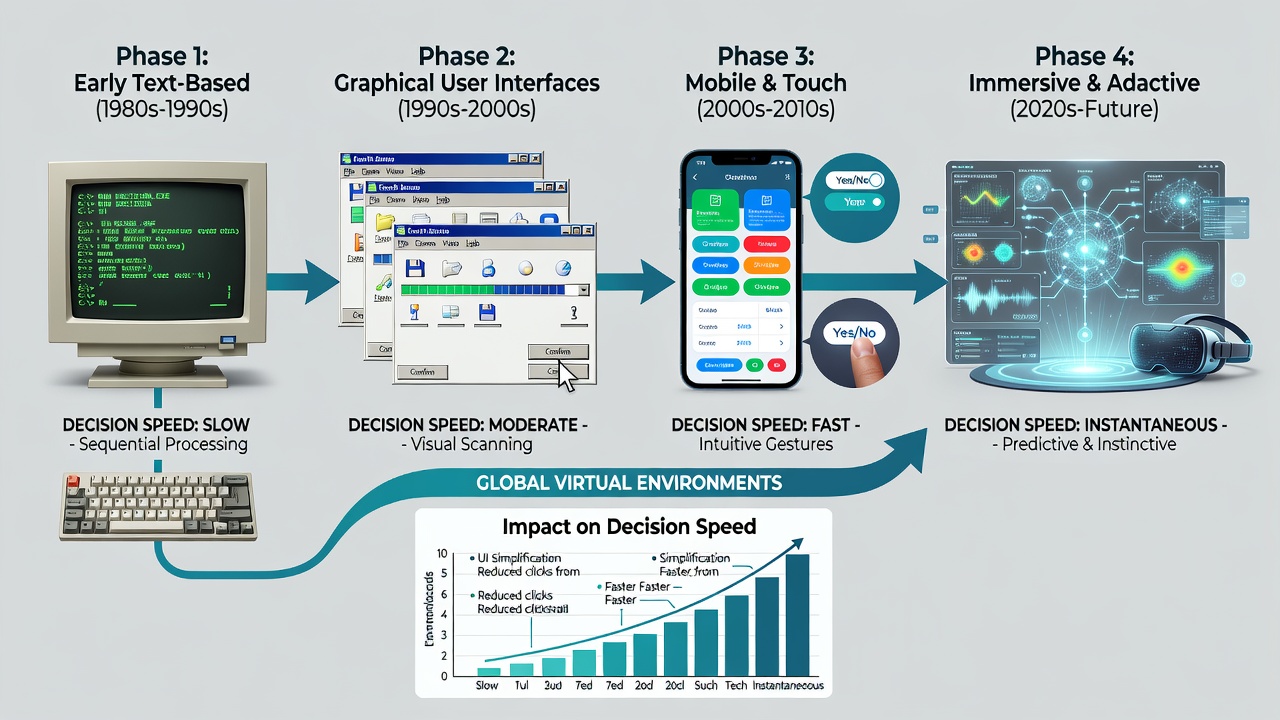
Platform updates in subsequent years incorporated predictive bet sizing tools and quick-fold buttons that sit adjacent to primary action controls, and evidence from European research networks suggests these additions maintain compliance with fixed decision intervals while streamlining sequences for users managing multiple tables. Global events scheduled throughout 2026 continue to enforce uniform time banks regardless of interface complexity, ensuring that speed advantages stem from user familiarity rather than software modifications.
Cross-Platform Consistency and Decision Metrics
Contemporary systems synchronize interface behaviors across desktop, tablet, and mobile clients through responsive design frameworks that preserve timer visibility and action button prominence, and data compiled by North American gaming associations shows stable decision timing averages even as participant pools expand to include entrants from additional jurisdictions. Tournament organizers apply identical rule sets for action periods whether events run on dedicated software or browser-based clients, which prevents device-specific variations from skewing competitive equity. Researchers have examined how background elements such as animated chip stacks or community card reveals integrate with core decision prompts without introducing measurable delays in action selection.
Regulatory Frameworks and Interface Standards
Authorities in various regions maintain guidelines that require transparent display of remaining decision time and prohibit elements that could compress or expand those windows, according to documentation from oversight organizations in Canada and Australia. These standards apply uniformly to virtual formats that attract international fields, and compliance reports from 2026 events confirm that interface updates undergo review processes before deployment in sanctioned series. Such measures support consistent pacing across tournaments where players from diverse geographic areas compete under shared time constraints.
Conclusion
Interface developments in global virtual poker tournaments have progressed from basic text prompts to layered graphical systems that incorporate timers, overlays, and responsive controls while preserving fixed decision intervals established by event regulations. Records indicate that these changes align with sustained participation levels and measurable patterns in action timing across platforms and regions. Continued monitoring by academic and industry groups tracks how such elements interact with player behavior in evolving tournament structures.